

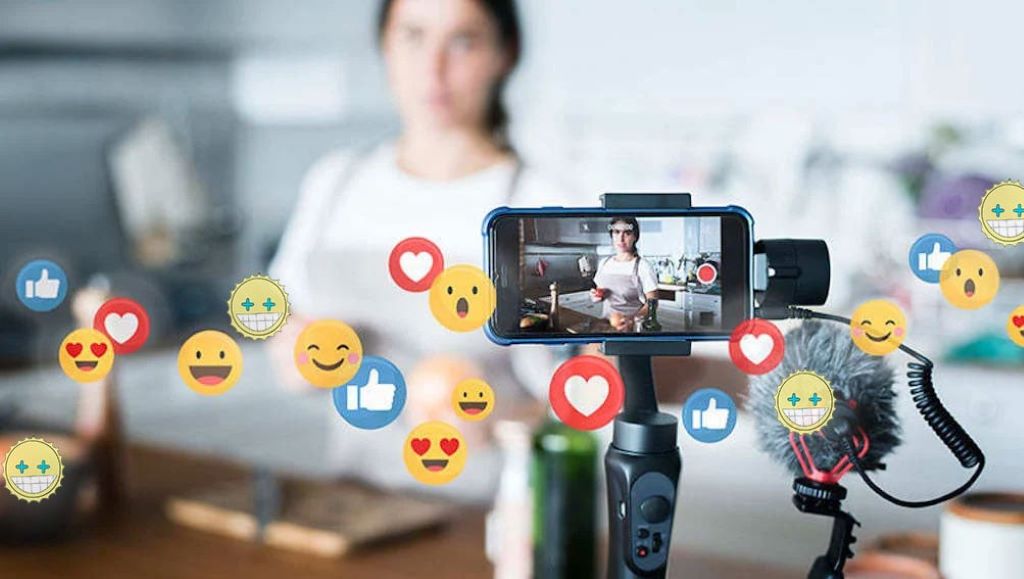
23 Mar How to Create Engaging Video Content for Social Platforms: The Ultimate Guide to Stopping the Scroll
You’ve spent hours scripting, filming, and editing your latest video. You hit “post,” refresh the page, and wait. Crickets. A few likes trickle in, but the views stall at a fraction of what you hoped for. Sound familiar? You’re not alone. A 2026 study by HubSpot found that 87% of social media videos fail to engage audiences beyond the first three seconds. The harsh reality? Most creators focus on production quality while ignoring the elements that actually make video content engaging.
The problem isn’t your camera or editing skills—it’s your approach. Engaging video content isn’t about high budgets or viral gimmicks. It’s about understanding the psychology of social media users and structuring your videos to stop the endless scroll. A 2025 report by Animoto revealed that videos with a strong hook in the first three seconds retain 75% more viewers than those without. The secret to creating videos that captivate isn’t more equipment—it’s a strategic approach to storytelling, pacing, and audience connection.
This guide will show you how to create engaging video content for social platforms that grabs attention, holds interest, and drives action. You’ll learn how to craft irresistible hooks, structure your videos for maximum retention, and leverage platform-specific tricks that even beginners can master. Whether you’re a business owner, content creator, or social media newbie, these principles will transform your videos from ignored to irresistible.
Why Most Social Media Videos Fail to Engage
The average social media user scrolls through 300 feet of content per day—that’s the height of the Statue of Liberty. Your video has less than three seconds to make an impression. A 2024 study by Wistia found that 65% of viewers decide whether to keep watching within the first 10 seconds. Yet, most creators waste this precious time with slow intros, logos, or irrelevant small talk.
Additionally, many videos suffer from poor pacing and lack of clarity. A 2026 analysis by Sprout Social revealed that the top 10% of engaging videos on Instagram and TikTok share three traits:
- A strong hook in the first 3 seconds.
- Clear, concise storytelling with minimal fluff.
- Visual or auditory patterns that create rhythm.
For example, a cooking video that starts with a sizzling pan and the words “This 5-ingredient hack will change your life” will outperform one that begins with “Hi, everyone! Today I’m going to show you a recipe.” The first video leverages curiosity and sensory triggers; the second relies on hope that viewers will stick around.
Expert Insight:
“The first three seconds of your video are the most expensive real estate on the internet,” says video marketing expert Roberto Blake. “If you don’t grab attention immediately, you’ve lost the battle before it began.”
Step 1: Master the Art of the Hook
The hook is the make-or-break moment of your video. A strong hook does three things:
- Grabs attention (visually or audibly).
- Creates curiosity (poses a question or teases a benefit).
- Sets expectations (tells viewers what they’ll gain by watching).
Types of Hooks That Work:
- The “How To” Hook:
- “How to double your productivity in 10 minutes.”
- Works because it promises a specific, valuable outcome.
- The “Mistake” Hook:
- “You’re making this mistake with your skincare routine.”
- Triggers curiosity and a fear of missing out (FOMO).
- The “Secret” Hook:
- “The secret trick restaurants use to make fries crispy.”
- Leverages exclusivity and intrigue.
- The “Before and After” Hook:
- Show a dramatic transformation in the first few seconds.
- Example: A messy room cut to a spotless one with the text, “Wait till you see how I did this in 5 minutes.”
- The “Controversial Statement” Hook:
- “Avocado toast is ruining your health—here’s why.”
- Sparks debate and encourages shares.
Pro Tip:
Use text overlays or captions in the first three seconds. 85% of social media videos are watched without sound (source: Digiday, 2025).
Step 2: Structure Your Video for Maximum Retention
Once you’ve hooked viewers, your next challenge is keeping them engaged. The best engaging video content follows a clear, rhythmic structure that balances information and entertainment.
The Ideal Video Structure for Social Platforms:
- Hook (0:00–0:03): Grab attention immediately.
- Introduction (0:03–0:10): Briefly introduce the topic and why it matters.
- Core Content (0:10–0:45): Deliver the main value in bite-sized chunks.
- Use visuals, text, and pacing to maintain interest.
- Break content into 3–5 key points with clear transitions.
- Call to Action (0:45–0:55): Tell viewers what to do next (like, share, comment, visit a link).
- Outro (0:55–1:00): Reinforce the key takeaway and brand identity.
Real-Life Example:
A fitness influencer increased her retention rate by 40% by restructuring her videos to deliver the most valuable tip within the first 15 seconds. “I used to save the best for last,” she says. “Now, I lead with it—and viewers stick around for the rest.”
Step 3: Optimize for Silent Viewing
A staggering 92% of social media users watch videos with the sound off, according to a 2026 report by Verizon Media. If your video relies on audio to convey its message, you’re losing the majority of your audience. The solution? Design for silent viewing first.
How to Make Videos Work Without Sound:
- Use Text Overlays: Highlight key points with on-screen text.
- Leverage Visual Storytelling: Show, don’t tell. Use demonstrations, animations, or clear visuals.
- Add Captions: Auto-generated captions aren’t enough. Edit them for clarity and timing.
- Use Visual Cues: Arrows, circles, and animations draw attention to important elements.
Case Study:
A travel vlogger saw her engagement double after adding captions and text overlays to her videos. “I didn’t realize how many people watch without sound,” she says. “Now, I design for silent viewing first.”
Step 4: Leverage Platform-Specific Tricks
Each social media platform has unique features and audience behaviors. Tailoring your content to the platform can boost engagement by up to 60%, according to Hootsuite’s 2025 benchmark report.
Platform-Specific Tips for Engaging Video Content:
- TikTok:
- Use trending sounds and hashtags to increase discoverability.
- Short, punchy videos (15–30 seconds) perform best.
- Duets and stitches encourage community engagement.
- Instagram Reels:
- Vertical format (9:16) is a must.
- Use trending audio tracks and effects.
- Text overlays work better than voiceovers for silent viewers.
- YouTube Shorts:
- First 3 seconds are critical—use a strong visual hook.
- Looping content performs well (e.g., satisfying ASMR or quick tutorials).
- Add end screens to promote other videos or subscriptions.
- LinkedIn:
- Educational or industry-specific content performs best.
- Longer videos (1–3 minutes) are acceptable here.
- Captions are essential—many users watch during work hours.
- Facebook:
- Square videos (1:1) or vertical (9:16) work best.
- Live videos get 6x more engagement than pre-recorded ones.
- Use Facebook’s “Watch Party” feature to boost reach.
Expert Review:
“Platforms reward content that fits their ecosystem,” says social media strategist Amy Porterfield. “A TikTok video reposted to Instagram without adjustments will underperform. Tailor every time.”

Step 5: Use the Power of Storytelling
Humans are wired for stories. A 2026 study by Stanford University found that stories are 22 times more memorable than facts alone. The best engaging video content weaves a narrative—even in short-form videos.
Storytelling Techniques for Short Videos:
- The Hero’s Journey: Position your viewer as the hero who overcomes a challenge with your help.
- Example: “Struggling with acne? Here’s how I cleared my skin in 30 days.”
- The Problem-Solution Arc: Present a problem, then offer a solution.
- Example: “Tired of messy drawers? This $5 organizer changed my life.”
- The Before-After-Bridge Formula:
- Before: Show the problem or current state.
- After: Show the desired outcome.
- Bridge: Explain how to get from before to after.
- The “Day in the Life” Format: Takes viewers behind the scenes.
- Example: “A day in the life of a remote worker—here’s how I stay productive.”
Pro Tip:
Use emotional triggers like humor, surprise, or nostalgia. Videos that evoke emotion are shared 30% more often (source: Jonah Berger, 2025).
Step 6: Harness the Power of Trends (Without Chasing Them)
Trends can boost your reach, but chasing every viral fad will exhaust you and dilute your brand. The key is to adapt trends to your niche rather than copying them outright.
How to Leverage Trends Strategically:
- Put Your Spin on It: If “Get Ready With Me” videos are trending, create “Get Ready With Me: Work-from-Home Edition.”
- Use Trending Audio: But pair it with unique visuals. For example, use a trending sound with your own storytelling.
- Participate in Challenges: But add value. If the “No Makeup” challenge is trending, share your skincare routine instead of just posting a bare-faced selfie.
- Monitor Hashtags: Use tools like Hashtagify or RiteTag to find trending hashtags in your niche.
Real-Life Example:
A fitness coach gained 50,000 followers by adapting the “Get Ready With Me” trend to show her morning routine as a mom and entrepreneur. “I didn’t jump on the trend blindly,” she says. “I made it relevant to my audience.”
Step 7: Optimize for Mobile Viewing
Over 90% of social media video views happen on mobile devices, according to a 2026 report by eMarketer. If your video isn’t optimized for small screens, you’re losing viewers.
Mobile Optimization Tips:
- Vertical or Square Format: Avoid horizontal videos—they take up less screen space and feel outdated.
- Large, Clear Text: Use fonts that are easy to read on small screens (avoid fancy scripts).
- High Contrast: Ensure text and visuals stand out against the background.
- Fast Pacing: Mobile viewers have shorter attention spans. Keep cuts tight and transitions smooth.
Case Study:
A food blogger’s engagement tripled after switching from horizontal to vertical videos. “I didn’t realize how much real estate I was losing,” she says. “Vertical videos fill the screen and feel more immersive.”
Step 8: Engage Your Audience with Interactive Elements
Social media is a two-way street. The most engaging video content invites viewers to participate, not just watch. A 2025 study by Sprout Social found that videos with interactive elements (polls, questions, calls to action) receive 3x more comments and shares.
Ways to Make Your Videos Interactive:
- Ask Questions: “What’s your biggest productivity struggle? Comment below!”
- Use Polls: “Which outfit should I wear? Vote A or B!”
- Encourage Duets/Stitches: “Stitch this video and show me your version!”
- Call to Action: “Tag a friend who needs to see this!”
- Behind-the-Scenes Content: “Want to see how I made this? Let me know in the comments!”
Expert Insight:
“Engagement isn’t about views—it’s about conversation,” says social media consultant Mari Smith. “The more you invite your audience to participate, the more they’ll feel connected to you.”
Step 9: Analyze and Adapt Based on Performance Data
Creating engaging video content is an iterative process. Use analytics to understand what works and refine your approach.
Key Metrics to Track:
- Retention Rate: Where do viewers drop off? Adjust your pacing or hooks accordingly.
- Engagement Rate: Likes, comments, shares, and saves indicate how compelling your content is.
- Click-Through Rate (CTR): If you include a link, how many viewers click it?
- Watch Time: Longer watch times signal that your content is holding attention.
Tools for Analytics:
- Instagram Insights: Shows retention, engagement, and follower demographics.
- TikTok Analytics: Tracks watch time, traffic sources, and audience territories.
- YouTube Studio: Provides detailed retention graphs and CTR data.
- Facebook Creator Studio: Offers insights into reach, engagement, and video performance.
Pro Tip:
Look for patterns in your top-performing videos. Do they share a similar hook, structure, or topic? Double down on what works.
Step 10: Repurpose Content to Maximize Reach
Creating engaging video content takes time. Maximize your effort by repurposing videos across platforms. A 2026 study by Buffer found that repurposed content can extend your reach by 300% with minimal extra work.
How to Repurpose Videos:
- Turn a Long Video into Short Clips: Use the best 15–30 seconds for TikTok or Reels.
- Create a Blog Post: Transcribe your video and expand on key points.
- Make a Carousel Post: Use screenshots from your video with captions.
- Turn It into a Podcast Episode: Extract the audio and repurpose it for platforms like Spotify.
- Create a Pinterest Pin: Use a striking frame from your video with a text overlay.
Real-Life Review:
“Repurposing one video into five different formats saved me 10 hours a week,” says content creator Alex. “Now, I spend more time engaging with my audience and less time creating from scratch.”
Related Topics:
7 FAQs About Creating Engaging Video Content for Social Platforms
1. How long should my social media videos be?
Aim for 15–30 seconds for TikTok/Reels, 30–60 seconds for Instagram/Facebook, and 1–3 minutes for YouTube Shorts or LinkedIn.
2. Do I need expensive equipment to create engaging videos?
No! A smartphone with good lighting and clear audio is enough to start. Focus on storytelling and hooks over production quality.
3. How can I make my videos stand out in a crowded feed?
Use strong hooks, high-contrast visuals, and trending audio to stop the scroll. Test different styles to see what resonates with your audience.
4. Should I use trending music in my videos?
Yes, but add your own twist. Trending audio increases discoverability, but your visuals and storytelling should make it unique.
5. How often should I post videos to grow my audience?
Consistency matters more than frequency. Start with 2–3 videos per week and adjust based on engagement.
6. What’s the best way to come up with video ideas?
Listen to your audience! Answer their questions, solve their problems, or entertain them. Use Google Trends, AnswerThePublic, or social media polls for inspiration.
7. How do I know if my video content is engaging enough?
Check your retention rate and engagement metrics. If viewers drop off after 3 seconds, revise your hook. If comments and shares are low, add more interactive elements.
Conclusion: Your Path to Viral-Worthy Video Content Starts Now
Creating engaging video content for social platforms isn’t about luck or high budgets—it’s about strategy. By mastering the hook, structuring your videos for retention, and optimizing for each platform, you’ll create content that stops the scroll and builds a loyal audience.
Start small: Pick one tip from this guide to implement in your next video. Maybe it’s adding captions for silent viewers or testing a new hook style. Each improvement will bring you closer to content that not only gets seen but remembered and shared.
Ready to stop the scroll?
Grab your phone and film a 15-second video using one of the hooks from this guide. Share your results in the comments—what tip made the biggest difference for you? Let’s build a community of creators who master the art of engagement!
Featured Image Source
No Comments